
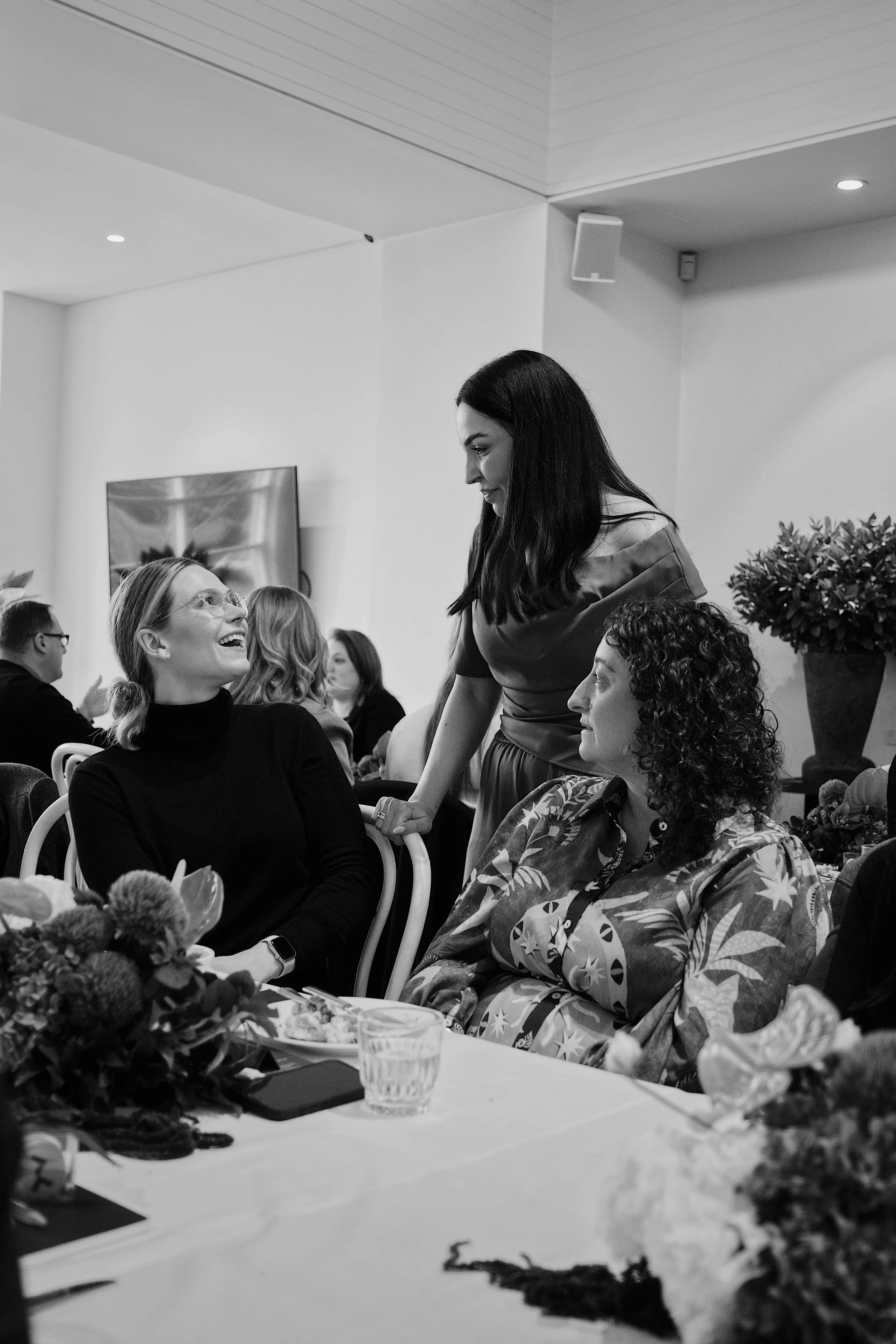
There’s something about bringing good people together.
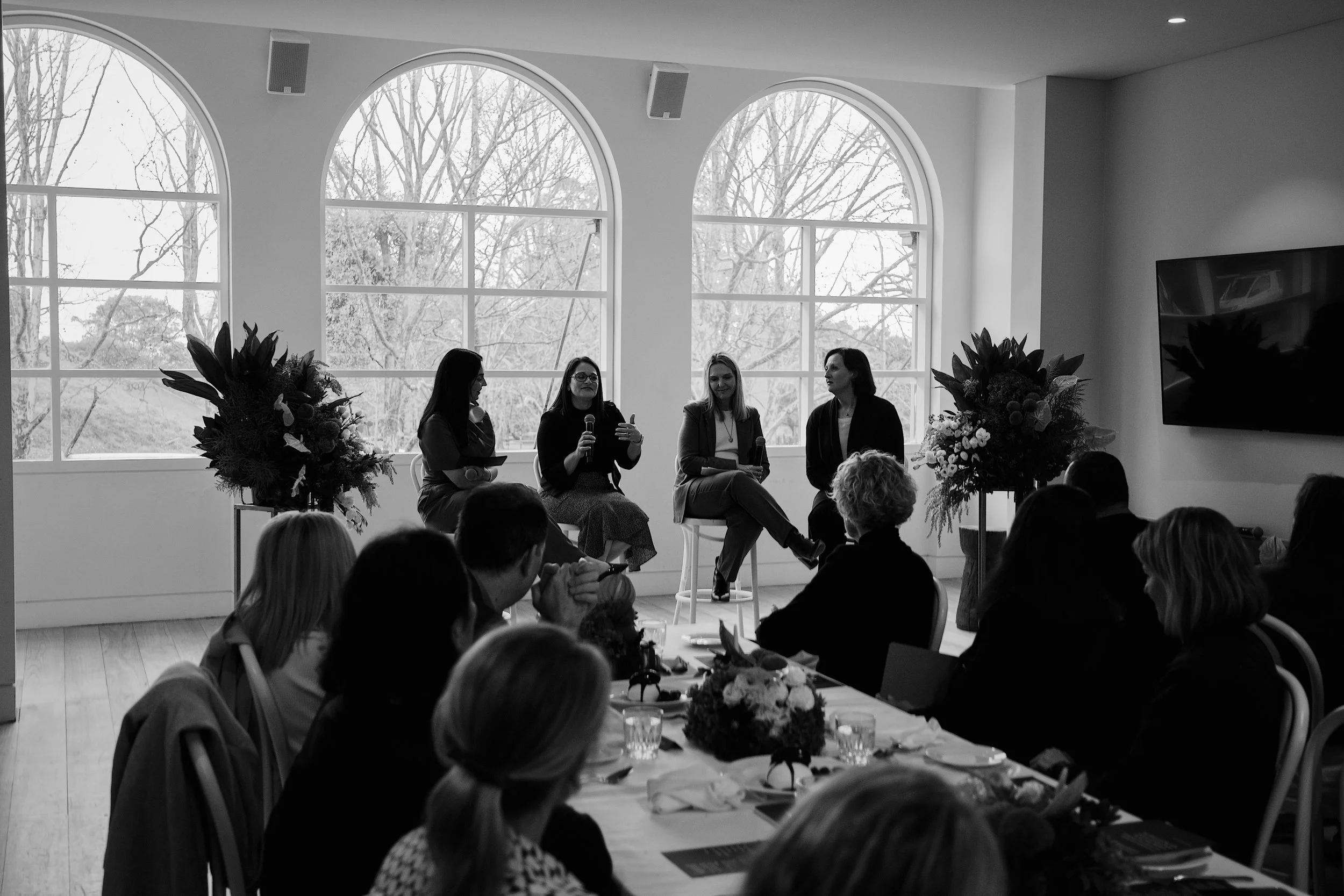
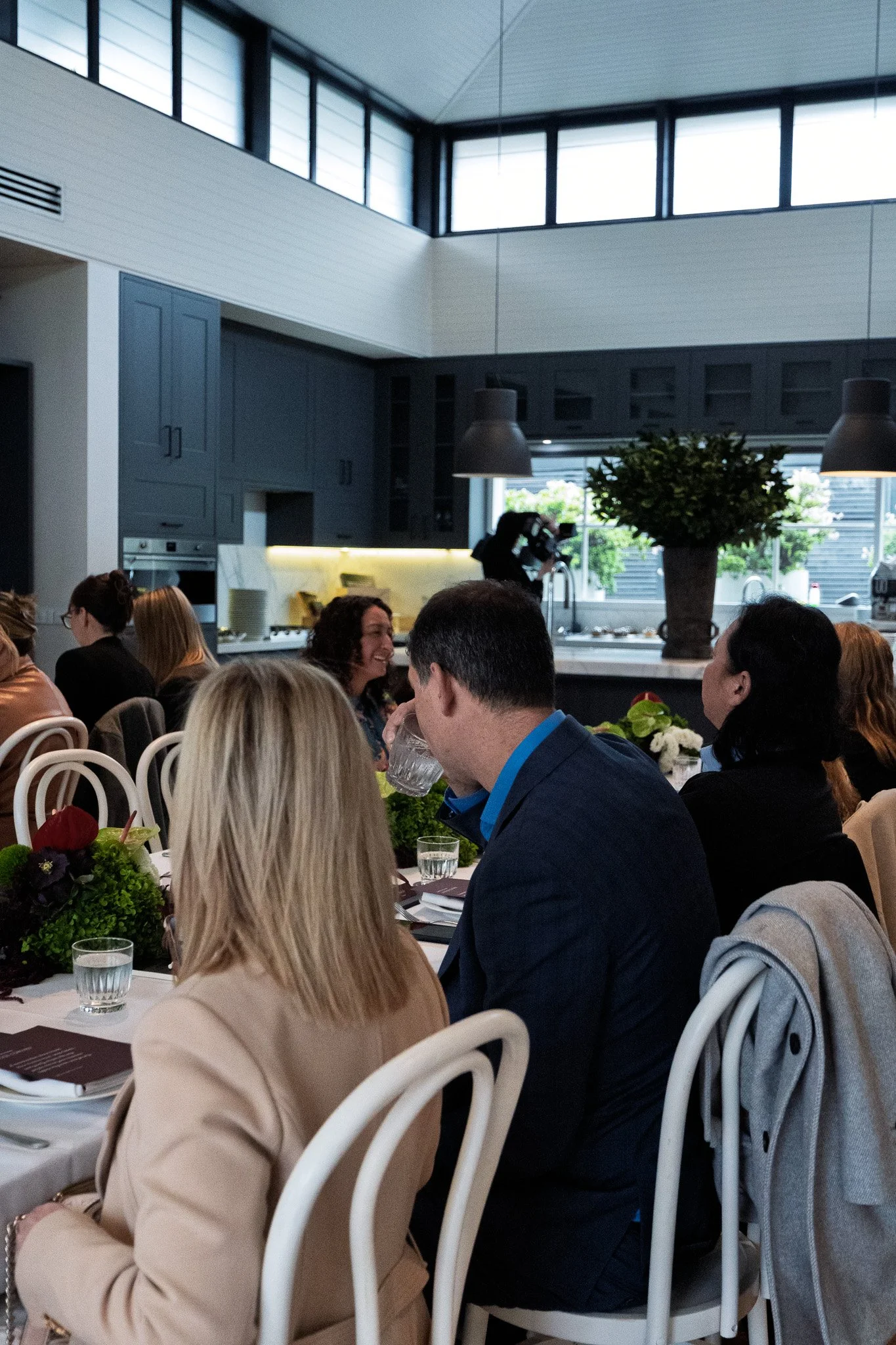
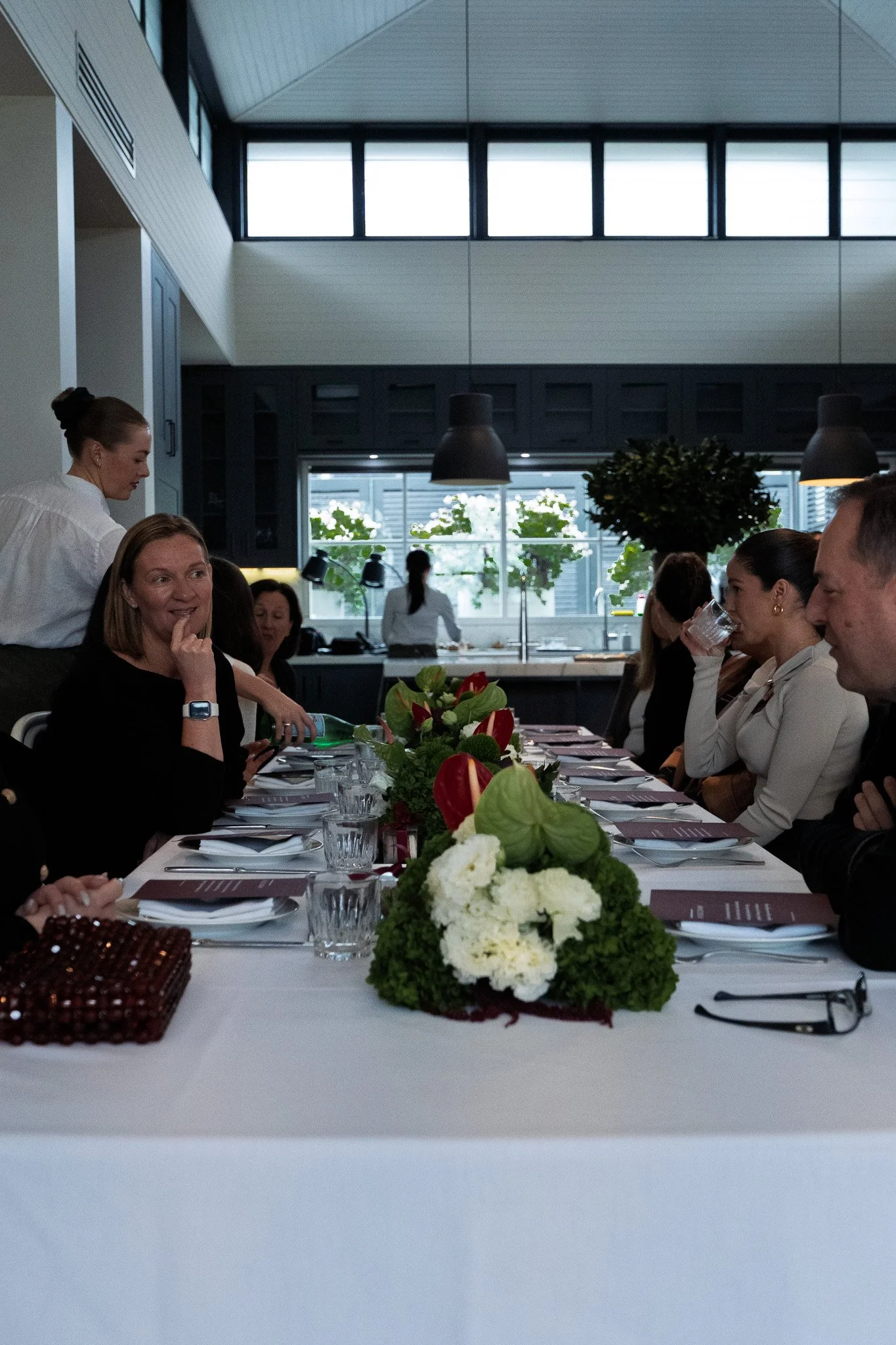
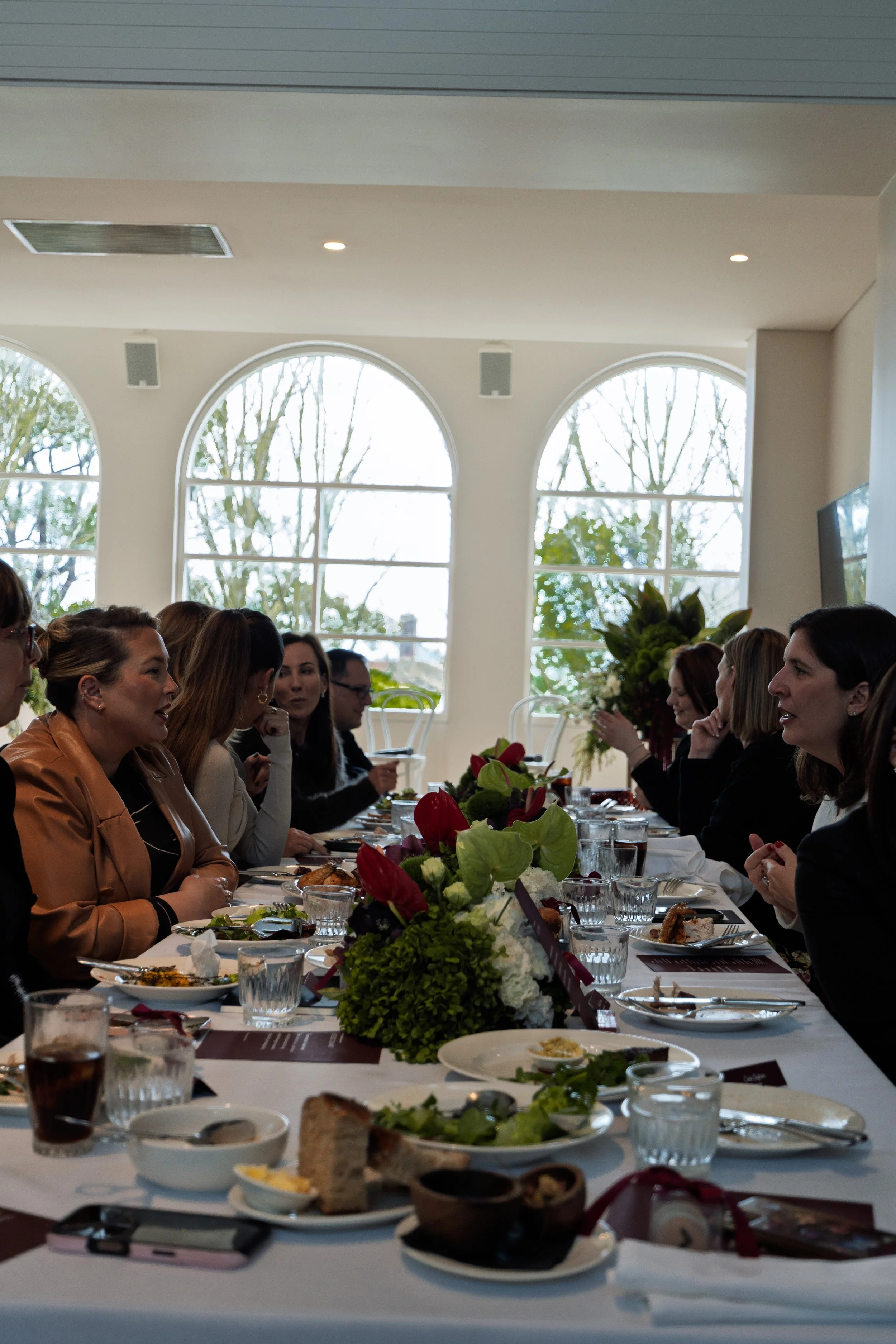
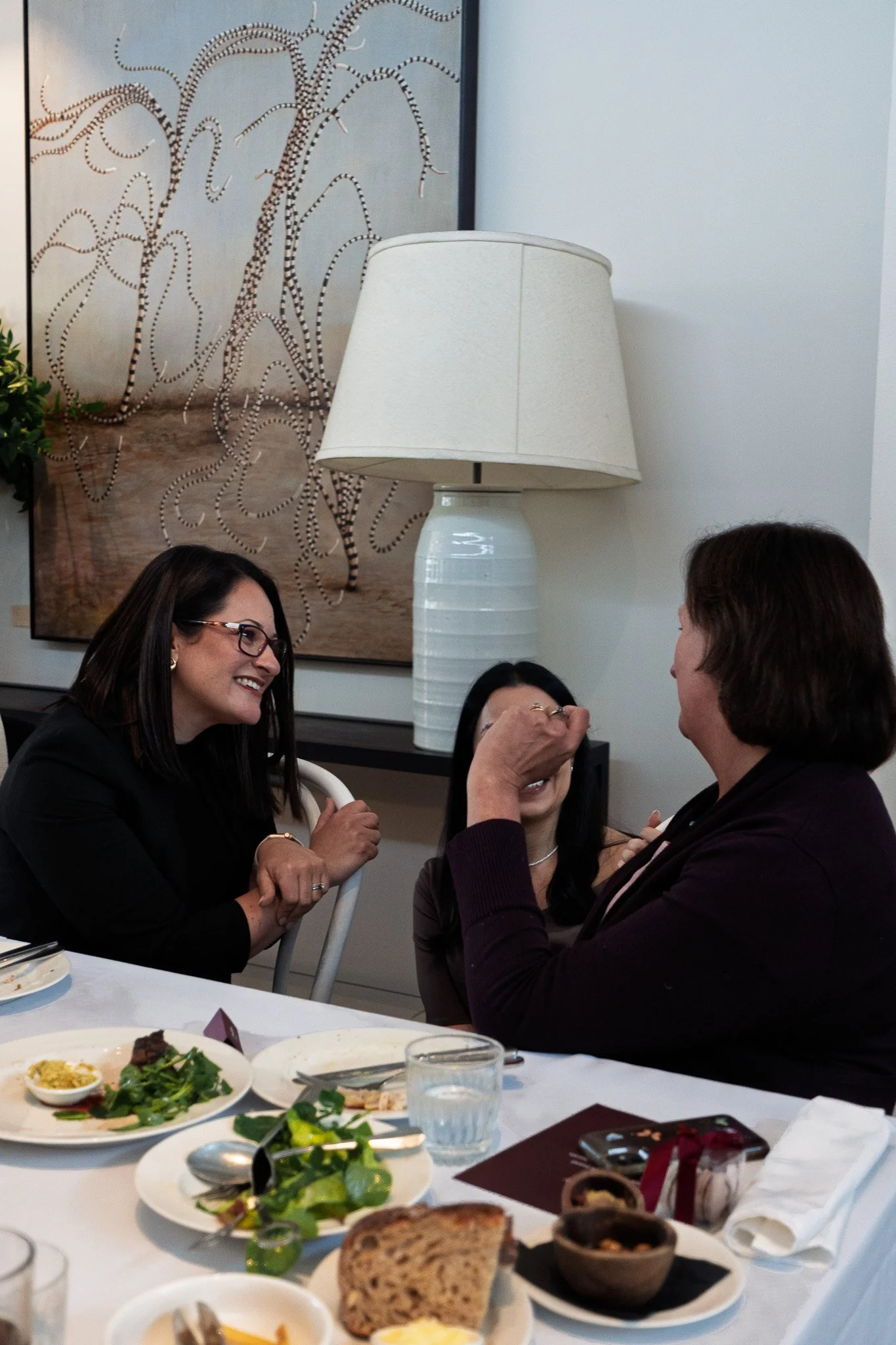
I’m so grateful to our panellists, Kristin Barnes, Cate Sefton, and Christine Le Maitre, for speaking with such honesty and generosity. And to every guest who joined us, thank you for giving your time, your perspective, and your energy.
We spoke about brand and talent, how they overlap, how they shape each other, and how, without both, it’s hard to truly stand out, let alone survive. It’s the kind of conversation I could have for hours. It’s my favourite topic because it’s lived, every single day.
Since then, a few ideas have stayed with me, and I thought I’d share them here too, in case they spark something for you as well.
Employer brand vs consumer brand (and why the gap matters)
Consumer brand is how buyers experience your products and services.
Employer brand is how people experience you as a place to work.
When they align, trust compounds. When they don’t, people feel it… quickly.
How to navigate it: listen to both sides. Customers and employees have the data you need. Map the gaps, then bridge them, in behaviour first, messaging second.\
Staying inspired (without chasing every shiny thing)
Marketers love the new and the next. Curiosity is a strength… until it becomes whiplash. The panel’s consensus:
Anchor to strategy and values. If a trend doesn’t move the customer or the culture, it’s noise.
Run small tests. Keep what works; exit what doesn’t, quickly and kindly.
Sometimes it’s intuition. Sometimes it’s early signal. Either way, listen closely.
Saying “no” is also strategy.
Personal brand and employer brand (two currencies, one goal)
They’re different, but they both buy trust.
Employer brand: your reputation as a place to work. It’s how the world (especially talent) perceives your culture, your values, and your track record of looking after people.
Personal brand: your name, values and voice, the signal leaders and team members send in every interaction, online and off.
If you only build the company brand, you hide behind a logo.
If you only build personal brand, you cap your impact at one person.
Build both and let them compound.
Small budgets, big magnetism (why money isn’t the only magnet)
No, smaller companies aren’t less attractive. What people value now:
Flexibility that’s real
Learning and development you can actually see
Extra time (additional leave days, tools down at 3pm Fridays).
A culture that treats people like people.
Sell what you truly have. It’s more compelling than kombucha on tap ever was.
And a note on mindset: the next generation isn’t living to work; they’re working to live.
Meet them there.
If you’re not creating, you’re invisible (and that’s the real risk)
If you’re a leader who doesn’t share your perspective, your values, your vision… you become invisible.
And when you’re invisible, your competitors (who are showing up) become the voice, the authority, the trusted choice.
Because connection is what matters most. It’s what makes customers believe in you, employees stay with you, and the right opportunities (and the right people) find their way to your door.
Final thoughts
If I were to leave you with one reflection from the day, it’s this:
your brand isn’t what you say it is. It’s what your people live, share, and show the world.
Real brand is being shaped in the everyday moments: how your team describes their work to friends, the way a candidate feels after an interview, the pride (or hesitation) in saying, “I work there.”
That’s the brand the world believes. And the uncomfortable truth is you don’t get to control it. You can influence it, you can lead it, but ultimately, it’s earned by consistency, by alignment, by how close your promises are to your reality.
And that’s also the opportunity. Because when those two things align, when what you practise on the inside becomes what people see and share on the outside, you don’t just have a brand, you have a community of voices building it with you.